



Mimosa Strain: Type, Aroma and Flavor
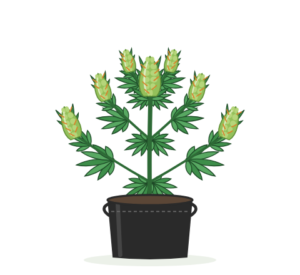
Mimosa Autoflower is a feminized, sativa-leaning hybrid (about 70% sativa, 30% indica) with a brunch-inspired terpene profile. It’s aggressively orange-scented, enough to make a glass of real orange juice smell tame: zesty clementine and sweet berry with a sharp, bubbly “champagne-and-fruit-punch” sparkle. By the final weeks of flower, the grow space smells like a crate of clementines opened in a perfume shop. The flavor is zesty and champagne-bright. The loudest terpenes are limonene, myrcene and caryophyllene. The buds come out frost-covered, sticky and sometimes purple-tinted, as if a pastry chef rolled them in sugar.
How to Grow Mimosa Autoflower Seeds in a Pot for Pot Kit
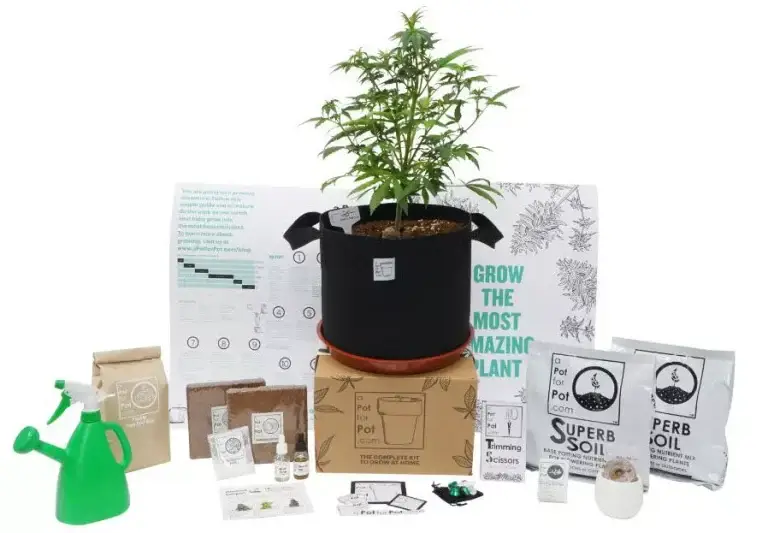
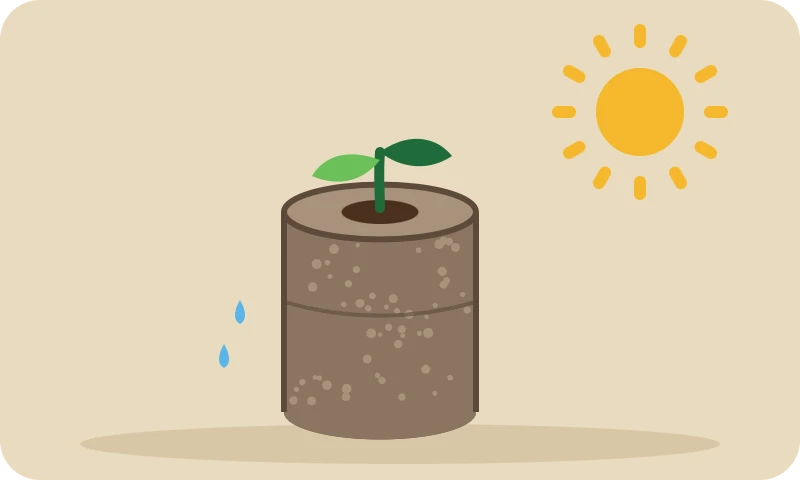
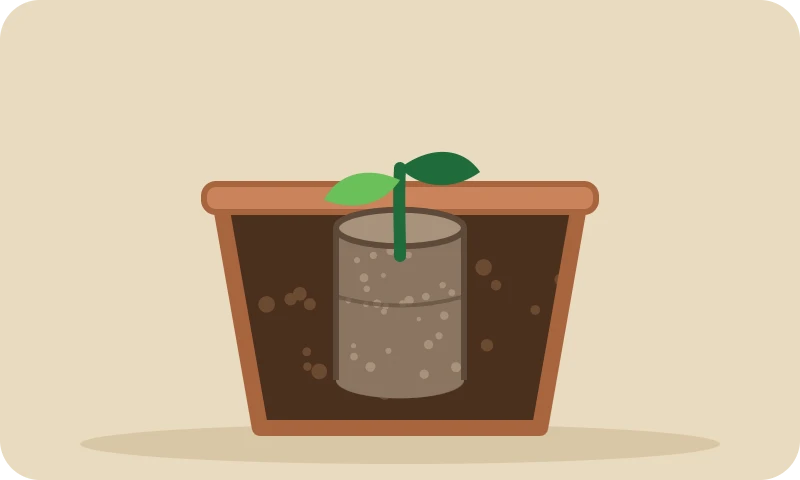
Plant one seed in our organic super soil and just add water. It’s an autoflower, so it doesn’t care about local light cycles; there are no blackout tarps or light schedules to manage, which makes it a forgiving way to learn. Indoors, keep lights on 18 hours on and 6 off (or 20/4) from germination to harvest, keep the temperature and environment steady so the plant stays happy, and use strong full-spectrum light for heavy trichome production. It grows a sativa-leaning structure that stays manageable; a little gentle training (LST) opens the frame and gets light to the lower buds, and a few bent branches can turn into a multi-cola top. It does well in small tents and micro-grow setups without a big electricity bill. Growing in one of our kits? Free email grow coaching at help@apotforpot.com helps you from seed to harvest.
Mimosa Flowering Time and Plant Size
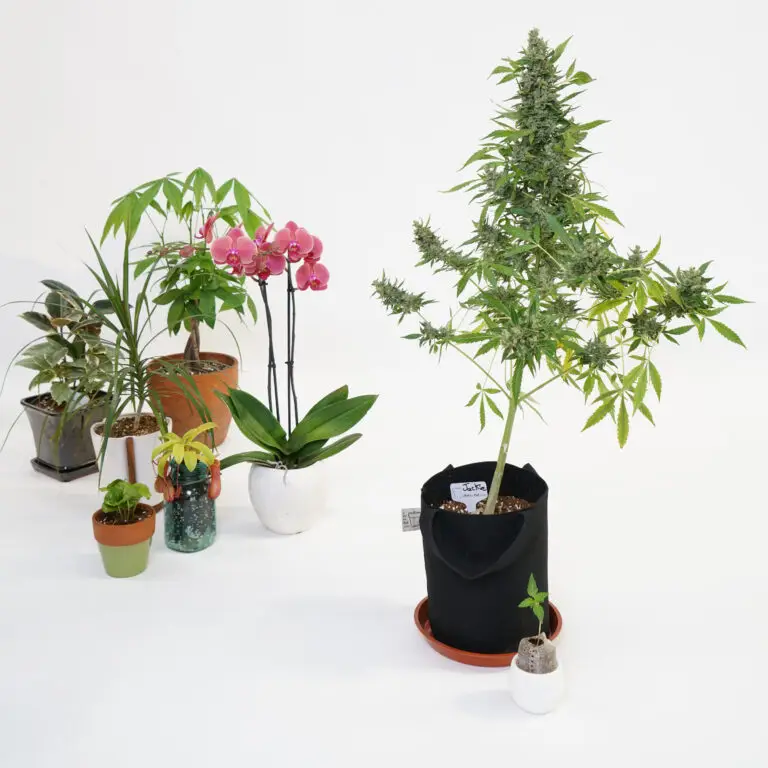
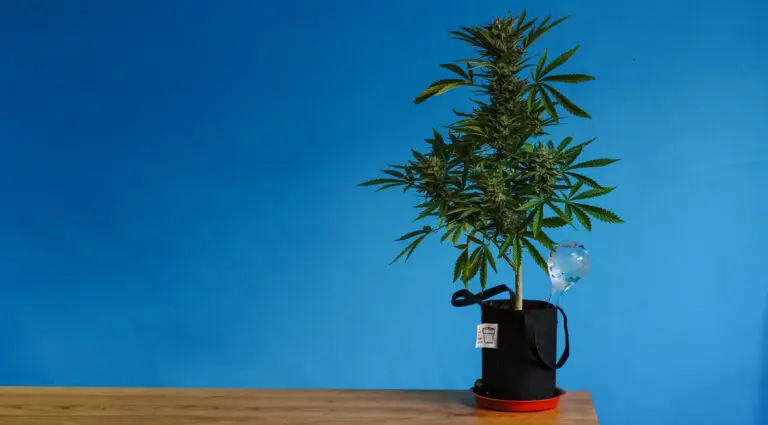
Autoflowers run on their own clock, so you can plan the whole grow from the day you plant. In our Indoor 2 Gallon kit, plan on as little as 80 days from seed to harvest. Mimosa stretches a little with its sativa side, then stays compact and bushy enough for a balcony, terrace or backyard spot.
Growing Mimosa Indoors vs Outdoors
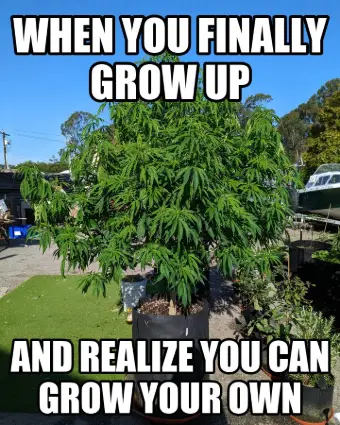
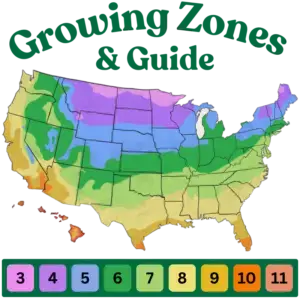
Outdoors: it’s a vigorous, hardy plant that loves to bask in sun. It does best in warm climates (Zones 8-11), but its ruderalis genetics let it succeed in cooler, shorter northern seasons too, even in less-than-ideal conditions. Plant as soon as the threat of frost has passed; for the strongest citrus, plant in early summer to catch peak sun. It finishes before autumn rain and many late-summer pests, it handles rough weather well, and you can fit more than one crop into a sunny season. See our best outdoor grow setup. It’s in our Cold, Warm and Hot zone collections; find your zone on the USDA Plant Hardiness Zone Map.
Indoors: the scent gets loud and sweetly pungent in the final weeks of flower, so use a high-efficiency carbon filter and keep humidity low to protect the thick, resinous colas.
Grow guides: How to grow weed · Growing from seed · Autoflowering weed guide · How to prune and train · Growing outdoors by state · Best grow temperatures
Mimosa Seeds FAQ
Is Mimosa an autoflower?
Ours is. These are feminized Mimosa autoflower seeds: the plant flowers as it ages, not when the days get shorter, so there’s no light schedule to change.
How do you grow Mimosa?
Plant one seed in our Indoor 2 Gallon kit, keep lights on 18/6 or 20/4, give it strong light and a steady temperature, and bend a few branches early so light reaches the lower buds. Just add water.
Can Mimosa grow outdoors?
Yes. It loves warm sun (Zones 8-11 are ideal) and also handles cooler northern seasons. Plant after your last frost; it finishes before fall rain.
How long does Mimosa take to flower?
It starts flowering on its own. In our Indoor 2 Gallon kit, plan on as little as 80 days from seed to harvest.
What does Mimosa smell like?
Zesty clementine and orange with a bubbly champagne-and-fruit-punch note and a little sweet berry. The main terpenes are limonene, myrcene and caryophyllene. Seeds are $9.99 each, 6 for $50 or 12 for $80; kits ship without seeds.
Can I grow Mimosa where I live?
Home-grow laws differ by state and change often. Check your state’s official rules, and you must be 21+. This isn’t legal advice.